Have you ever wondered what goes into making your favorite swimwear? As someone who has dived into both the serene beach waters and the bustling world of swimwear fashion, I’m excited to unravel the mystery for you. Let’s explore the materials that make our swimsuits not only stylish and comfortable but also functional. Understanding what material is swimwear made of can help you make informed choices for different swimming needs and occasions.
Types of Swimwear Materials
Swimwear is crafted from various materials, each with unique properties that cater to different needs. Here are the most common types:
- Nylon ¨C Known for its elasticity and soft touch, making up about 60% of the swimwear market.
- Polyester ¨C Durable and resistant to UV rays, occupying around 30% of the market.
- Spandex/Lycra ¨C Provides stretch and comfort, often making up 10-15% of the blend.
- Natural Fabrics ¨C Used for eco-friendly options, gaining popularity but still a minor segment.
What¡¯s the Best Swimsuit Fabric?
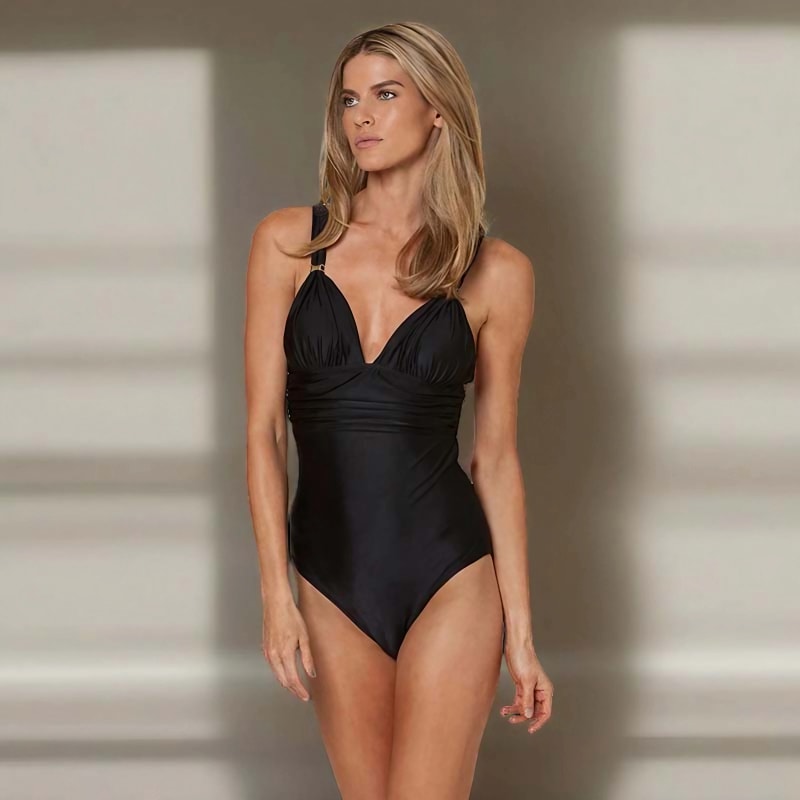
Choosing the best swimsuit fabric depends on your specific needs. Personally, I prioritize a balance between comfort and durability. For eksempel:
- For performance: Go for polyester blends with added spandex for stretch, which accounts for about 45% of competitive swimwear.
- For sustainability: Explore recycled materials or natural fabrics, which are seeing a year-over-year growth of 7% in eco-conscious markets.
- For casual wear: Nylon blends are typically very comfortable and account for over 50% of fashion swimwear.
All You Need to Know About Swimsuit Fabric
Swimwear fabric is primarily chosen based on its ability to withstand water exposure, retain shape, and provide a snug fit. Some important factors to consider are:
- Chlorine resistance ¨C Especially important for regular pool swimmers, where polyester makes up 40% due to its resistance.
- UV protection ¨C Essential for sunbathers, with specialized fabrics offering up to 50+ UPF protection.
- Breathability ¨C Ensures comfort during prolonged use, which is a significant feature in 70% of leisure swimwear.
Different Types of Swimsuit Fabrics
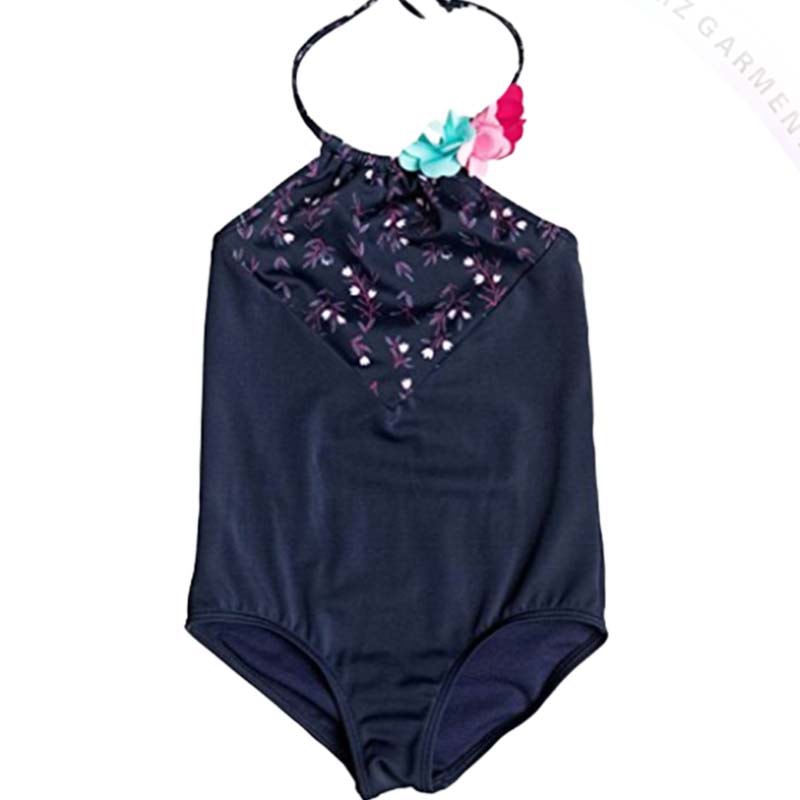
There are a range of fabrics used in swimsuits, each catering to specific needs. Here¡¯s a closer look at some of them:
- Nylon ¨C Elastic and smooth, dominating casual and fashion swimwear segments at 60%.
- Polyester Blends ¨C Long-lasting and colorfast, popular in 40% of active swimwear.
- Natural Fabrics ¨C Eco-friendly alternatives, predicted to grow by 7% annually in the sustainable market.
- Specialty Fabrics ¨C Such as those for period swimwear, a niche but growing market segment.
So¡ What¡¯s the best fabric for swimwear?
If you asked me to pick, I’d say it depends on the context:
- For competitive swimming: Polyester blends with added spandex, accounting for 45% of sales in this category.
- For fashion swimwear: Nylon for its smooth feel and vibrant colors, holding 60% of market preference.
- For eco-conscious buyers: Recycled or natural fabrics, which are growing by 7% each year in popularity.
Most Popular Swimsuit Fabric Today
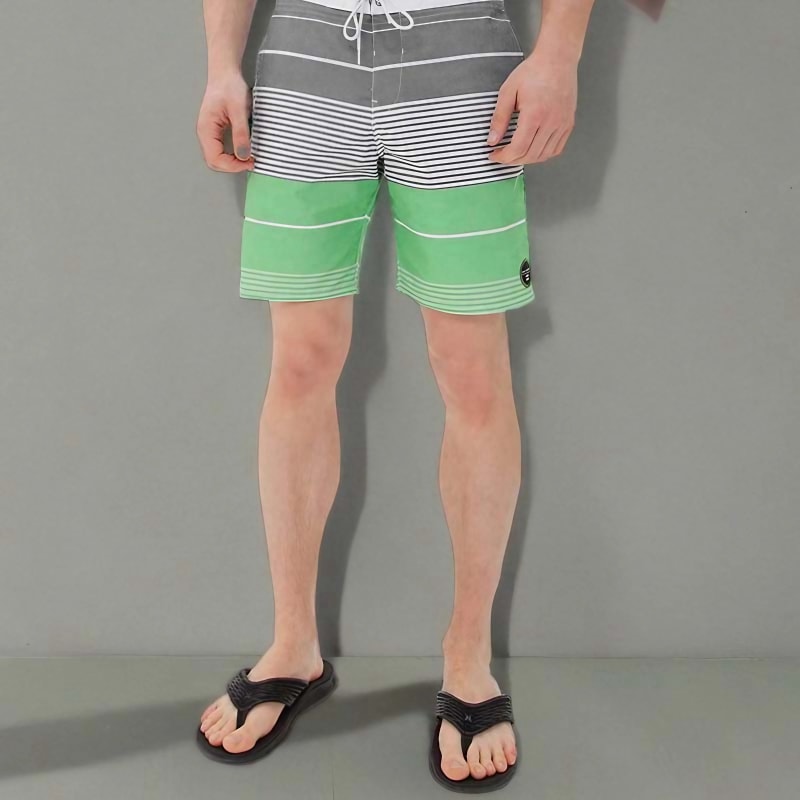
The current favorite for many is a blend of nylon and spandex, offering an unbeatable combo of comfort, fit, og holdbarhet. In addition:
- Polyester: Still remains popular for its resilience, making up 30% of the swimwear market.
- Eco-friendly materials: Are gaining traction, with 7% annual growth in demand.
Sustainability Concerns
As a swimwear enthusiast who cares about the planet, the shift towards sustainable materials is thrilling. Brands are increasingly using:
- Recycled polyester ¨C Made from plastic bottles, reducing waste significantly.
- Organic cotton ¨C Less chemical use, offering a 50% reduction in water usage compared to conventional cotton.
- Econyl ¨C Regenerated nylon from waste, contributing to a circular economy.
Nylon Swim Fabric

Nylon is incredibly popular due to its soft feel and excellent fit. When I wear nylon swimwear at a beach resort, it feels light and smooth on my skin, almost like a second skin. Nylon constitutes about 60% of fashion swimwear due to its aesthetic and functional qualities.
Polyester Swimsuit Fabric Blends
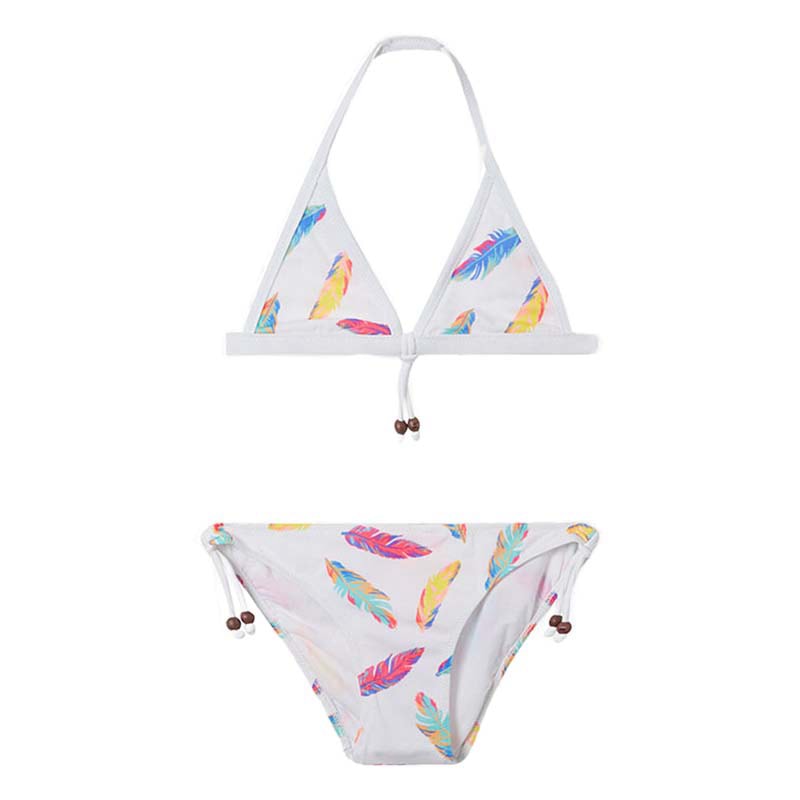
Polyester blends are known for their durability. They don¡¯t fade quickly and are resistant to chlorine ¨C perfect for my pool workouts. Combining polyester with spandex, which is common in 45% of active swimwear, adds the necessary stretch.
Nylon Swimwear Fabric Blends
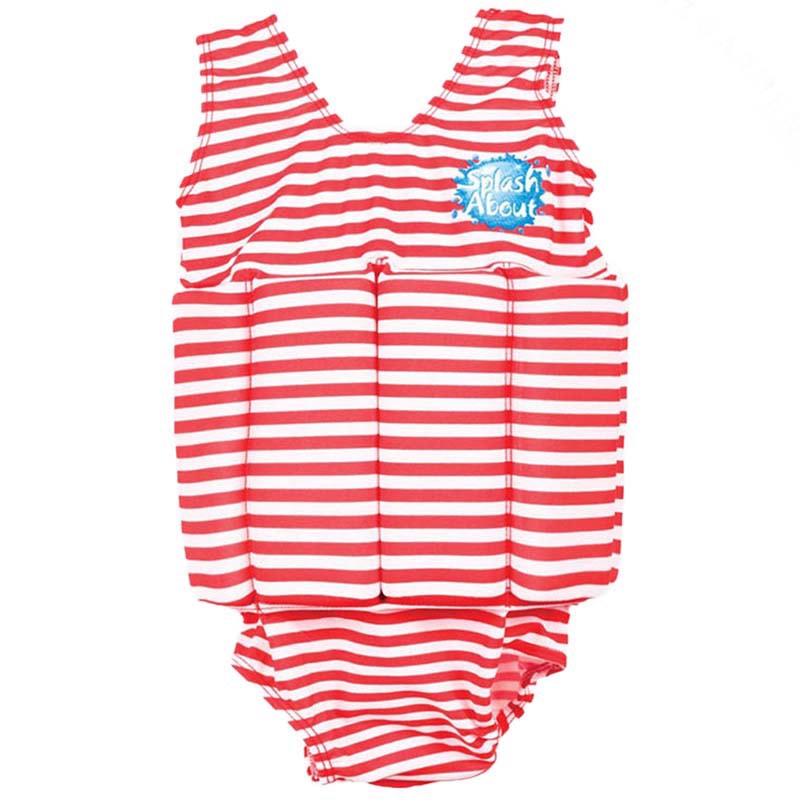
These blends often include spandex for additional flexibility. When I’m chasing waves or playing beach volleyball, I need that extra stretch without any constraints. Nylon blends, which constitute 60% of swimwear, offer just that.
Natural Fabrics
The use of natural fabrics is increasing amidst a growing demand for sustainability. Such materials include:
- Organic cotton ¨C Soft and breathable, reducing environmental impact.
- Bamboo ¨C Naturally antibacterial and moisture-wicking, ideal for eco-friendly swimwear.
Specialty Swimwear Fabric: Period Swimwear
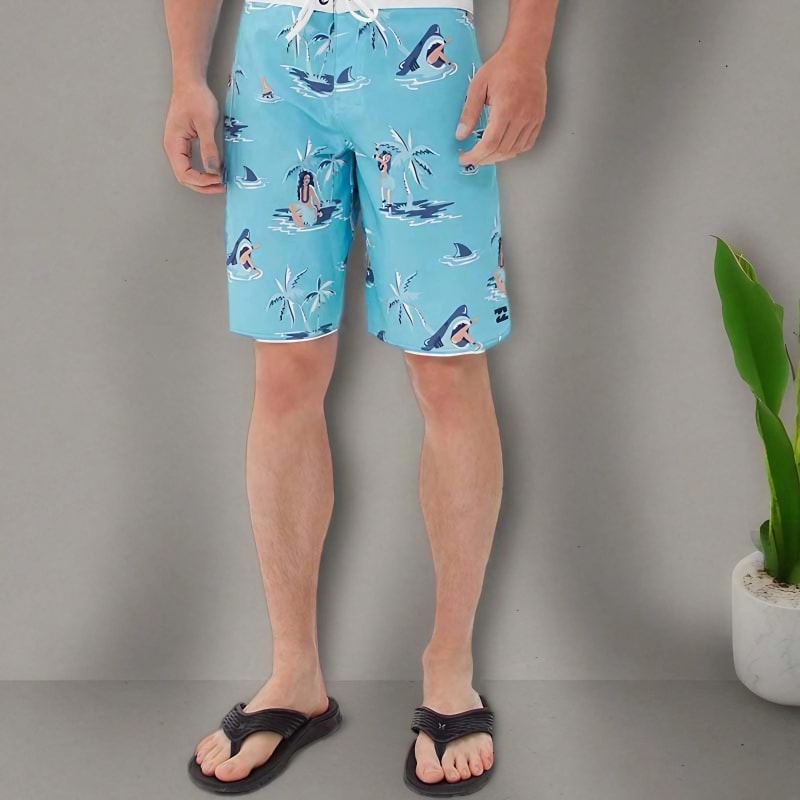
Innovative and life-changing, period swimwear is designed with specialized leak-proof layers. It allows for secure and comfortable swimming even during menstruation, ensuring no unaesthetic mishaps. This niche market is rapidly growing, with a 10% annual increase in demand.
FAQ
What kind of fabric is used for swimwear? Swimwear is commonly made from nylon, polyester, spandex, and natural fabric blends.
Which material is best for swimming? Polyester blends with spandex are best for swimming due to their durability and flexibility.
What material is used for swimmers? Competitive swimmers often prefer polyester and nylon blends for their performance benefits.
What is the best sustainable material for swimwear? Eco-friendly options like recycled polyester and Econyl are the best sustainable choices.