Welcome to an in-depth dive into what swimwear is made out of. As an avid swimmer and fashion enthusiast, I¡¯ve always been fascinated by what makes swimwear so special. As a retailer, understanding the intricacies of swimwear fabrics not only helps you make informed decisions but also allows you to better serve your customers. According to a study by Allied Market Research, 水着市場に到達する予定です $29.1 10億 2025, showcasing the demand and interest in this segment. Let¡¯s immerse ourselves and examine different materials, explore their benefits, and understand their drawbacks.
Types of Swimwear Materials
Swimwear is crafted from a variety of materials, each chosen for its unique properties and performance in water. Here are the major types:
- ナイロン: Known for its strength, 弾性, and smooth finish.
- ポリエステル: 耐久性のある, resistant to UV rays, and chlorine.
- PBT (ポリブチレンテレフタレート): A type of polyester with good elasticity and chlorine resistance.
- エコニール?: A sustainable option made from recycled materials.
- 天然繊維: Such as cotton and hemp, although less common for swimwear.
Different Types of Swimsuit Fabrics
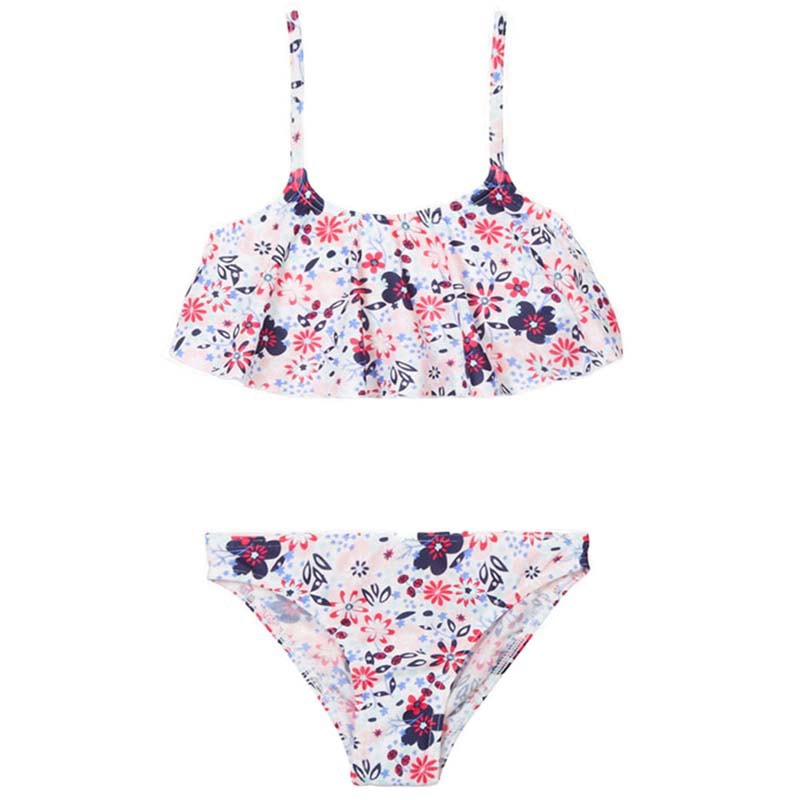
Let¡¯s further explore the specifics of each fabric type used in swimwear and how they cater to different needs:
All You Need to Know About Swimsuit Fabric
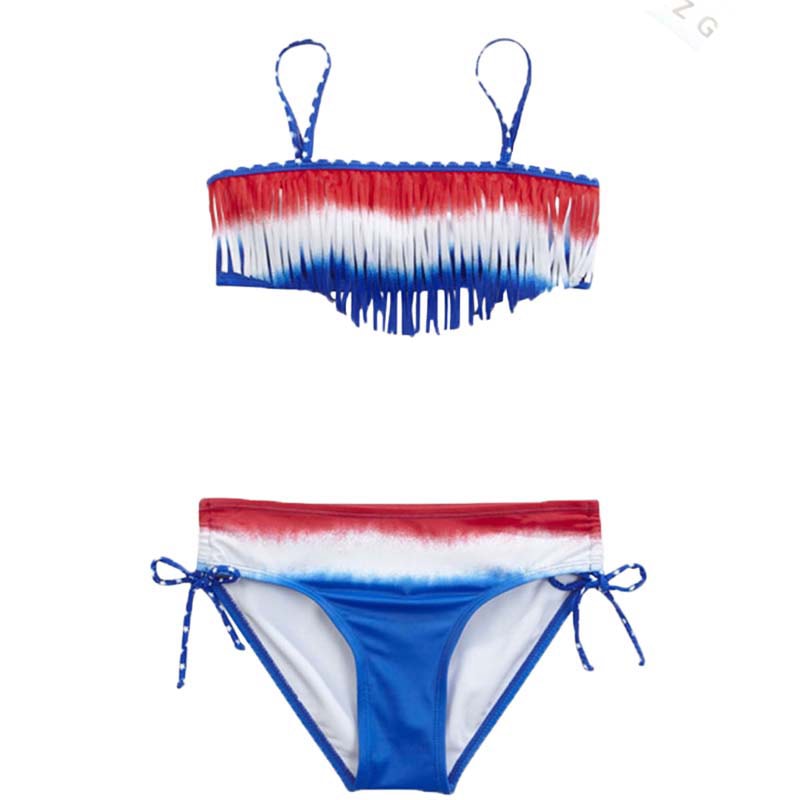
となると、 swimsuit fabric, several factors play a crucial role in providing comfort, パフォーマンス, そして長寿. Here’s everything you need to know:
- Elasticity: Ensures a snug fit and freedom of movement. Fabrics like Spandex (often blended with Nylon or Polyester) are key for this.
- 耐久性: Essential for long-term use. Polyester blends are particularly known for their durability.
- UV Resistance: Protects both the fabric and the wearer¡¯s skin from sun damage. Polyester is highly regarded for its UV resistance.
- 耐塩素性: Vital for swimsuits used in pools. Fabrics like PBT and high-quality Polyester blends resist chlorine deterioration.
Most Popular Swimsuit Fabric Today
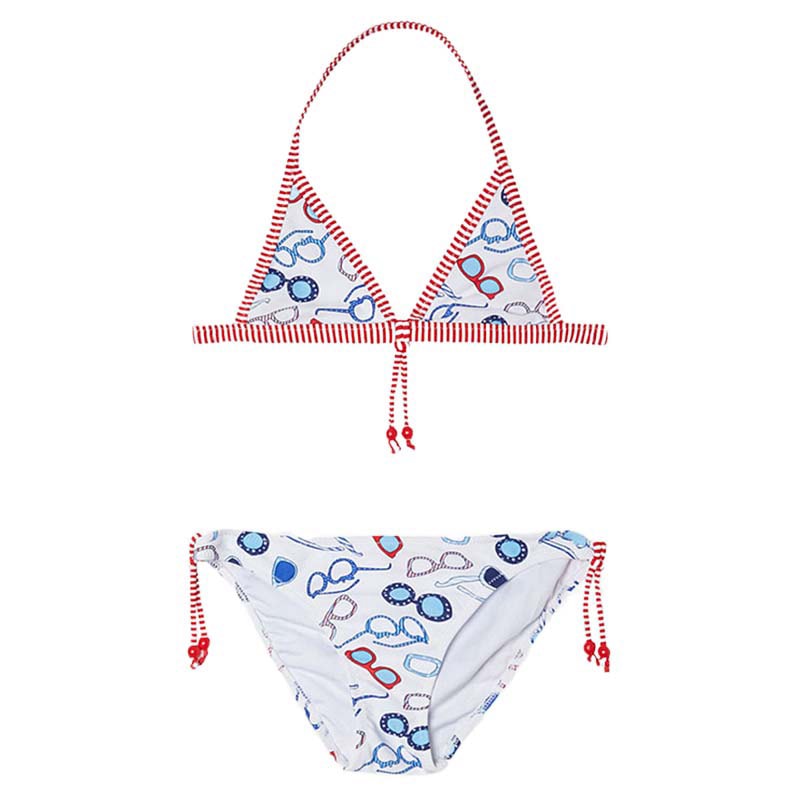
現在, the most popular fabric for swimwear is a blend of ナイロン そして スパンデックス due to its perfect balance of comfort, 弾性, そして耐久性. According to Market Watch, ほぼ 40% of swimwear on the market today incorporates this blend, making it a staple in swimwear design.
Sustainability Concerns
With growing environmental awareness, the demand for sustainable swimwear is on the rise. Fabrics like エコニール?, made from recycled fishing nets and other nylon waste, 人気を集めています. Offering eco-friendly options can attract conscientious consumers and aligns with the global push towards sustainability.
最高の水着生地は何ですか??
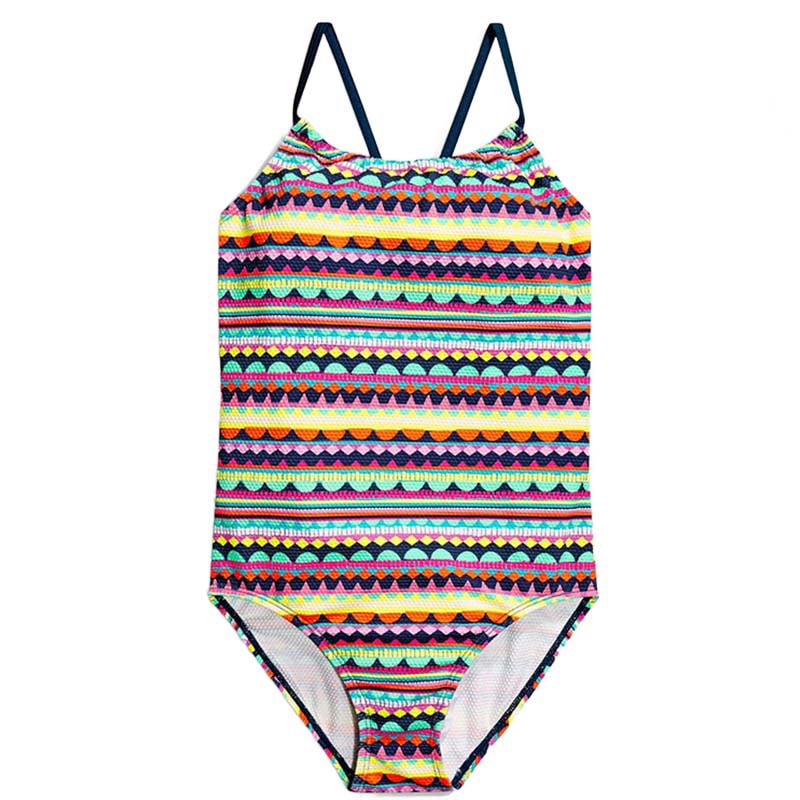
The best fabric depends on the intended use. For competitive swimming, performance fabrics like PBT are often preferred. For leisure swimming, Nylon blends offer the best combination of comfort, 弾性, そして耐久性.
天然繊維
Natural fabrics like cotton and hemp are less common in swimwear due to their tendency to retain water and lack elasticity. しかし, they are favored by some for their eco-friendliness and comfort feel, especially in niche markets focused on sustainable living.
Nylon Swim Fabric
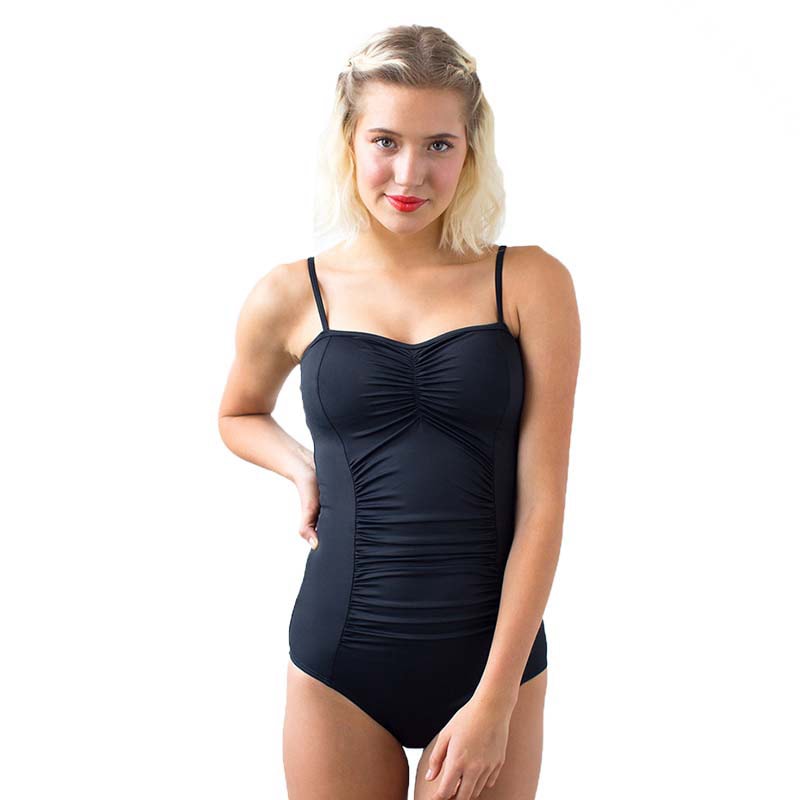
ナイロン is a popular choice for swimwear due to its smooth texture and excellent strength-to-weight ratio. It¡¯s perfect for swimsuits aimed at recreational swimmers looking for comfort and quick-drying properties. Nylon makes up about 70% of the fabrics used in high-performance swimwear.
ポリエステル水着生地ブレンド
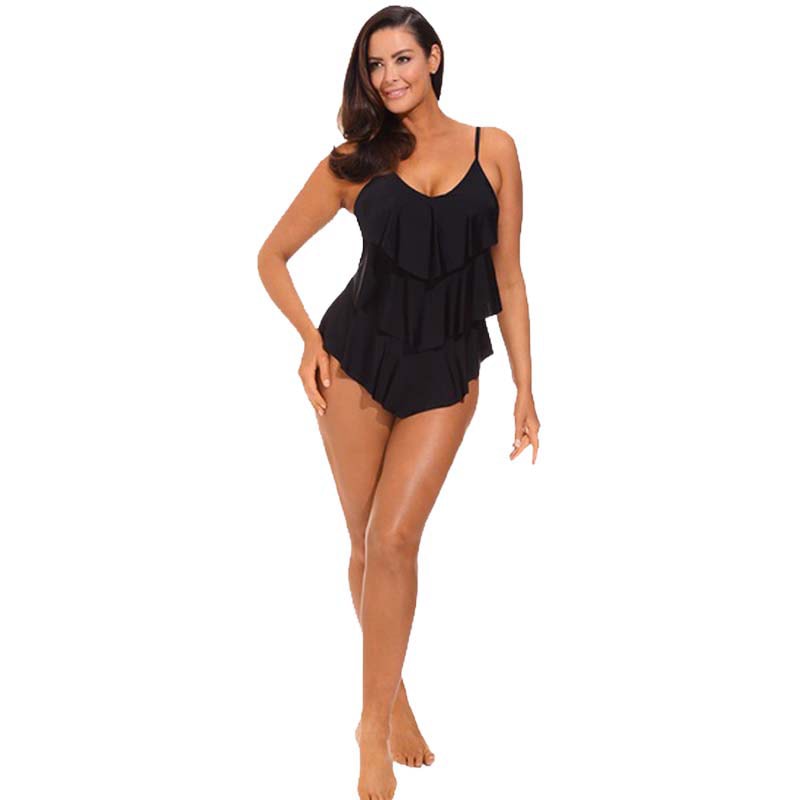
ポリエステルブレンド are known for their durability and resistance to chemicals and UV rays. This makes them ideal for swim schools and pools where swimsuits are frequently exposed to chlorine. Polyester accounts for around 40% of the total fabric used in swimwear manufacturing, according to Statista.
ナイロン水着生地ブレンド
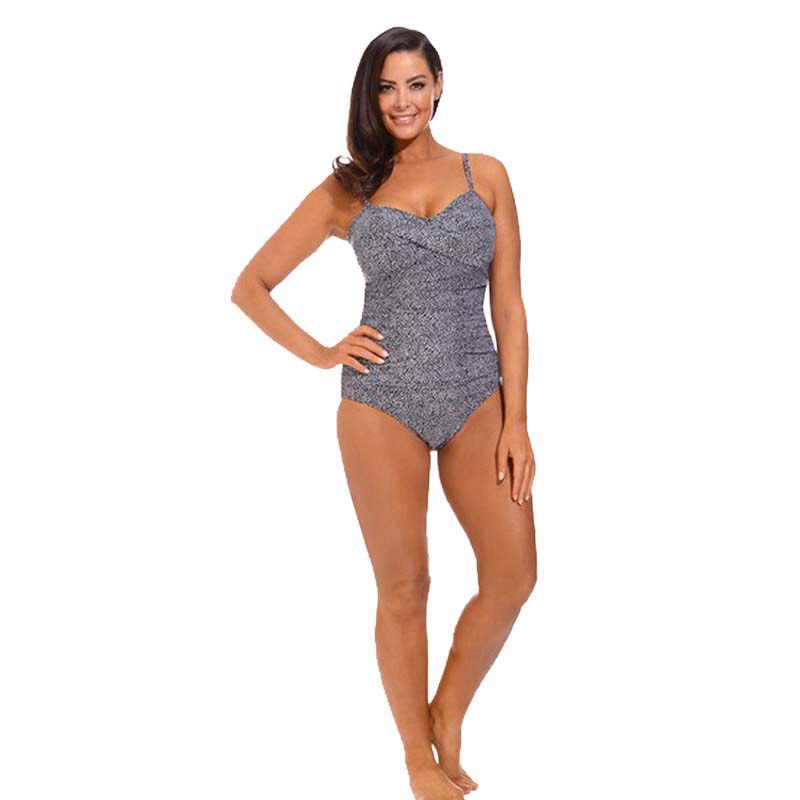
Nylon blends with Spandex are widely used for their elasticity and fit, making them a popular choice for both fashion and athletic swimwear. These blends are known for enhancing wearer comfort and providing a snug, supportive fit.
ナイロン水着 (or Nylon Blends)
ナイロン and its blends are often used in creating high-performance swimsuits that need to be lightweight, 速乾性, and flexible. Competitive swimmers often prefer these fabrics for their superior performance attributes.
ポリエステル水着 (or Polyester Blends)
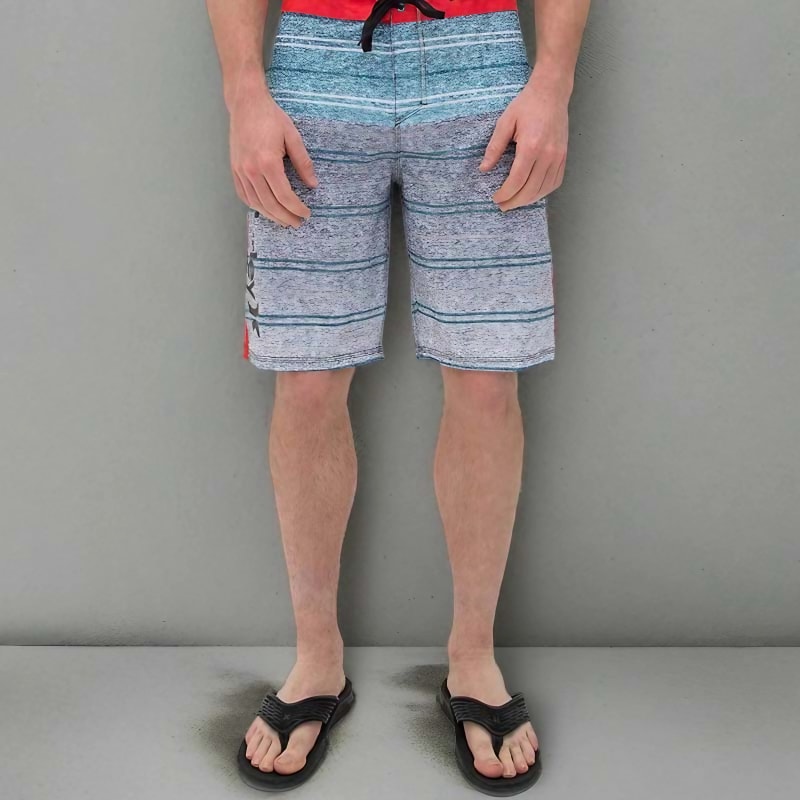
ポリエステル and its blends are cherished for their durability and chlorine resistance. Perfect for regular use in chlorinated pools, these fabrics maintain their shape and color over time. They are also popular in broader swim markets due to their lasting quality.
PBT
PBT, a type of polyester, is favored for its superior elasticity and resistance to chlorine, making it a preferred choice for competitive swimwear. It also offers excellent UV resistance and durability, ensuring long-term performance.
エコニール?
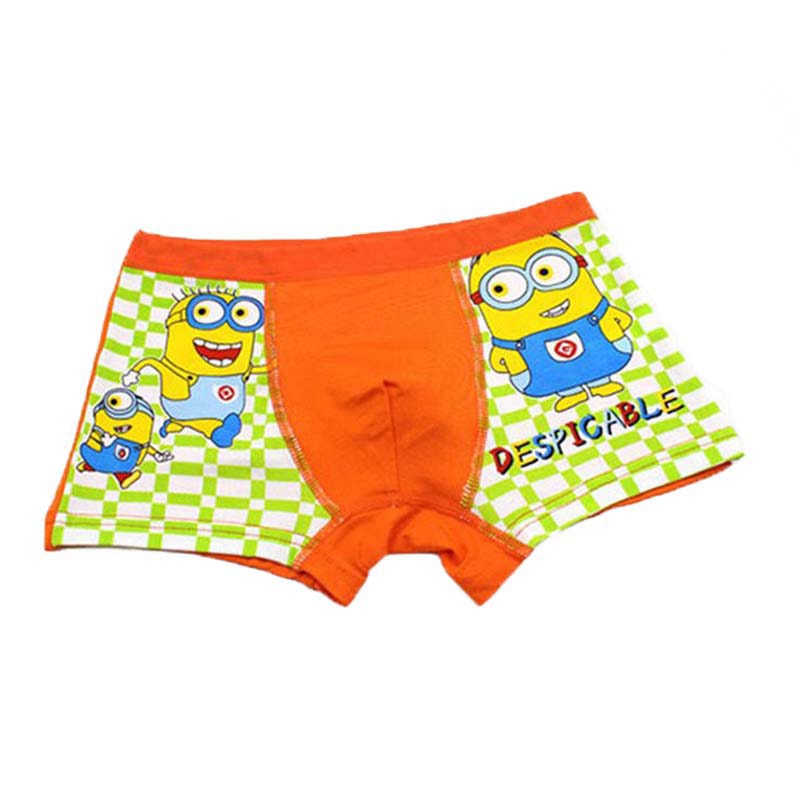
エコニール? is an innovative fabric made from recycled nylon waste. It offers the same properties as nylon but with a significantly lower environmental footprint. This sustainable material is an excellent choice for eco-conscious consumers and is becoming increasingly popular in the swimwear industry.
Specialty Swimwear Fabric: Period Swimwear
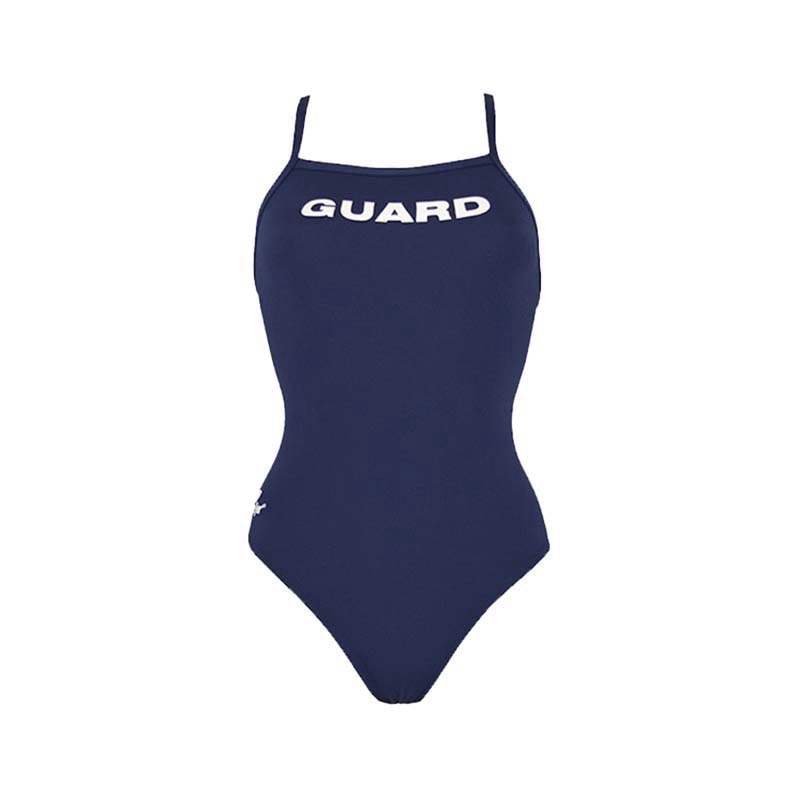
Period swimwear, made from special absorbent fabrics, is designed to be leak-proof and comfortable during menstruation. This specialty fabric allows individuals to swim confidently without concern, catering to a unique and growing market segment.
What to Look for in a Swimming Suit in 2023
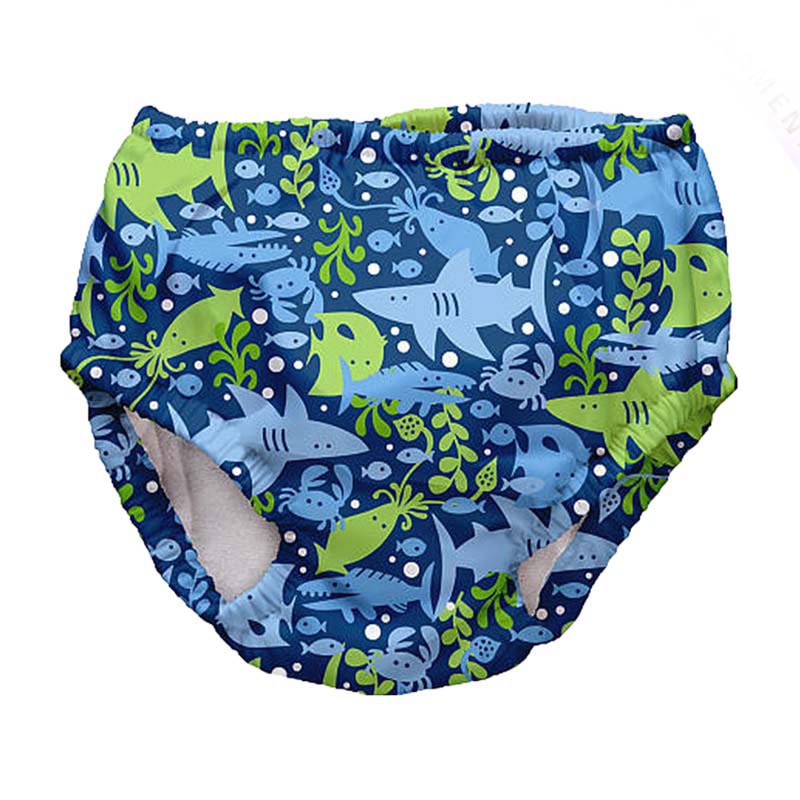
When buying a swimming suit in 2023, consider the following:
- Sustainability: Eco-friendly options like エコニール?.
- 快適: Soft, 伸縮性のある, and lightweight fabrics for enhanced wearability.
- Chlorine and UV resistance: Especially important for frequent pool users.
- スタイル: Trendy designs that fit well and make you feel confident.
よくある質問
What are swimsuits made out of?
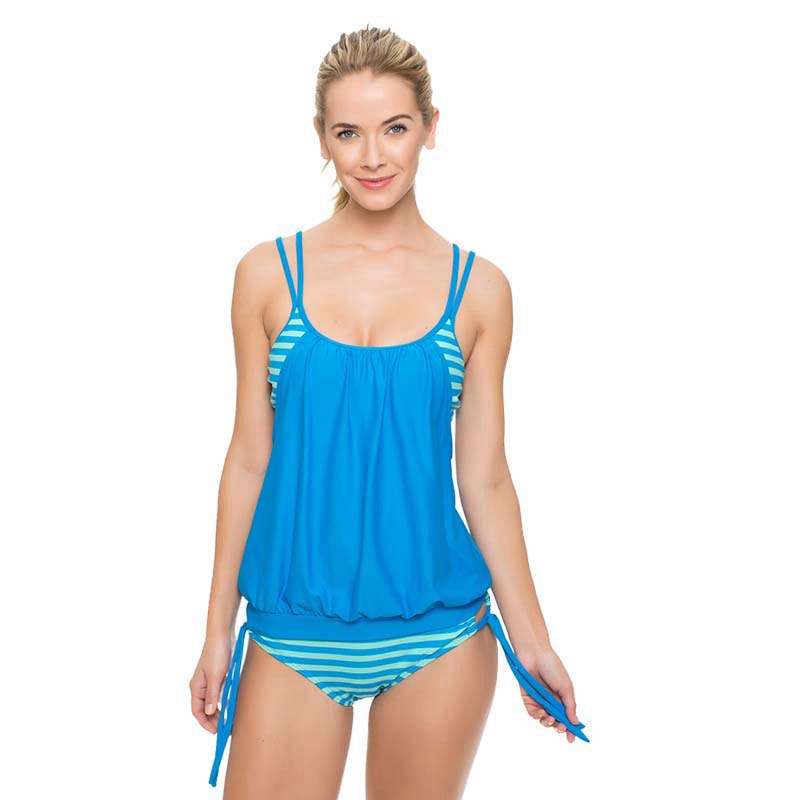
Swimsuits are typically made from synthetic fabrics like Nylon, ポリエステル, PBT, and blends of these materials, each chosen for their performance properties.
What material is best for swimwear?
Nylon blends are highly regarded for their comfort, フィット, and elasticity, その間 ポリエステルブレンド are prized for their durability and chlorine resistance.
What are swimsuit bottoms made of?
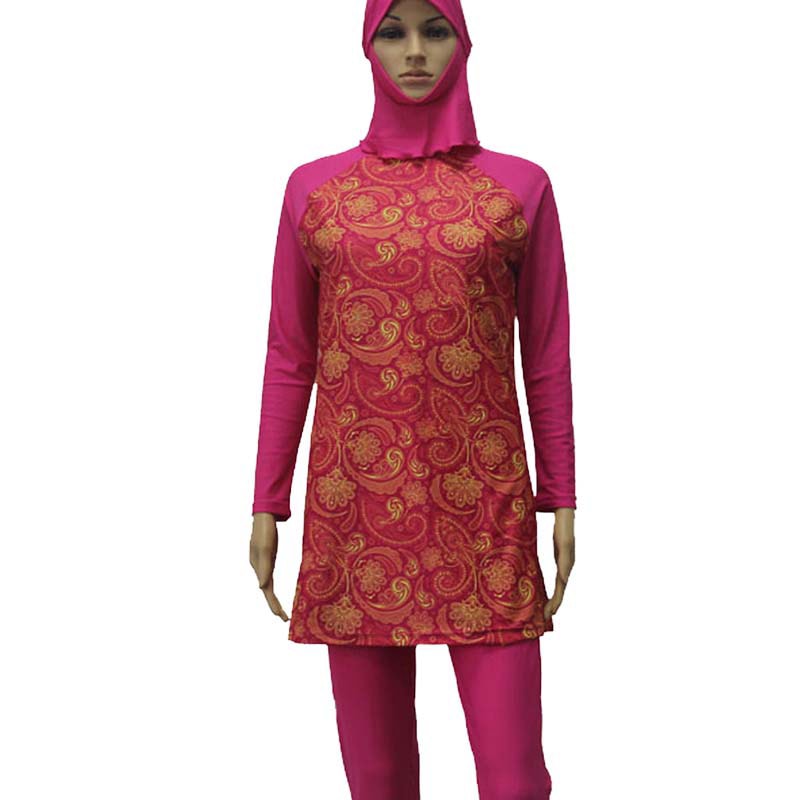
Swimsuit bottoms are usually made from the same fabrics as the tops ¨C mainly ナイロン または ポリエステルブレンド for consistency in comfort and performance.
What did swimsuits used to be made of?
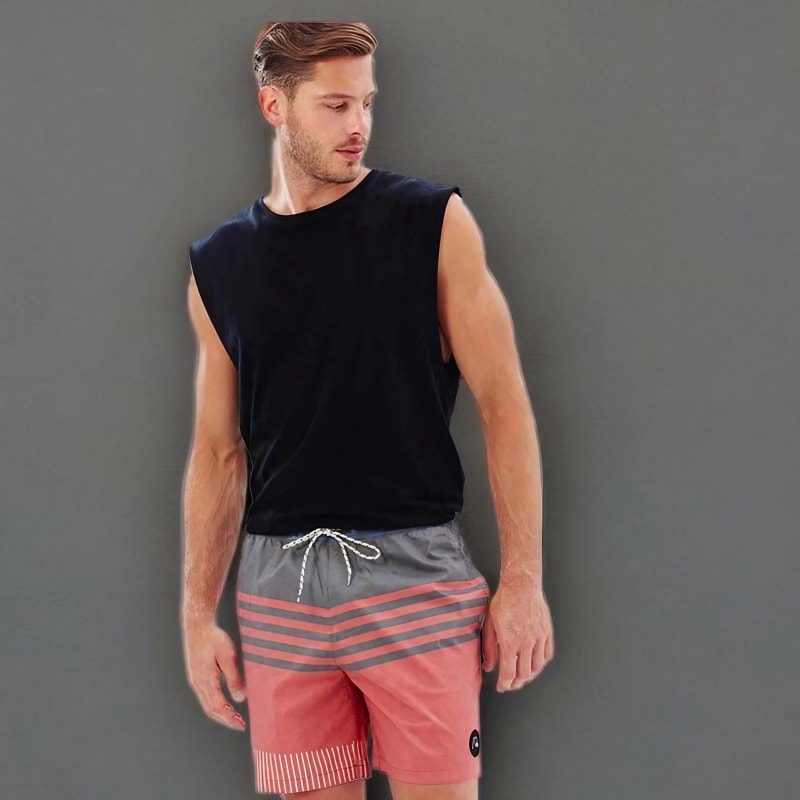
歴史的に, swimsuits were made from wool or heavy-duty cotton, which were not as comfortable or practical as modern synthetic fabrics.