Hey there! If you¡¯ve ever dived into the world of swimwear, you know just how intricate and exciting it can be to choose the right fabric. From a luxurious feel to durability, the material you pick can make or break your beach day experience. Let’s dive into this world together and explore the fascinating details of swimsuit materials.
What to Consider When Choosing Swimsuit Fabrics
Choosing the best swimwear fabric isn’t just about looks. Here are key factors to consider:
- Comfort: Will it feel good against my skin? Opt for materials that are smooth and soft.
- Durability: Will the fabric withstand chlorine, salt, and sun? According to industry data, fabrics like polyester last 3x longer than traditional nylon in harsh conditions.
- Stretch: Does it provide the flexibility needed for activities? A minimum of 10-20% elastane content is ideal for good stretch.
- Maintenance: Is it easy to wash and care for? Quick-drying and machine-washable materials score higher.
- Sustainability: Is the fabric eco-friendly? Materials like ECONYL? are made from regenerated nylon and are gaining popularity.
What to Look for in Stretch Swimwear Fabrics
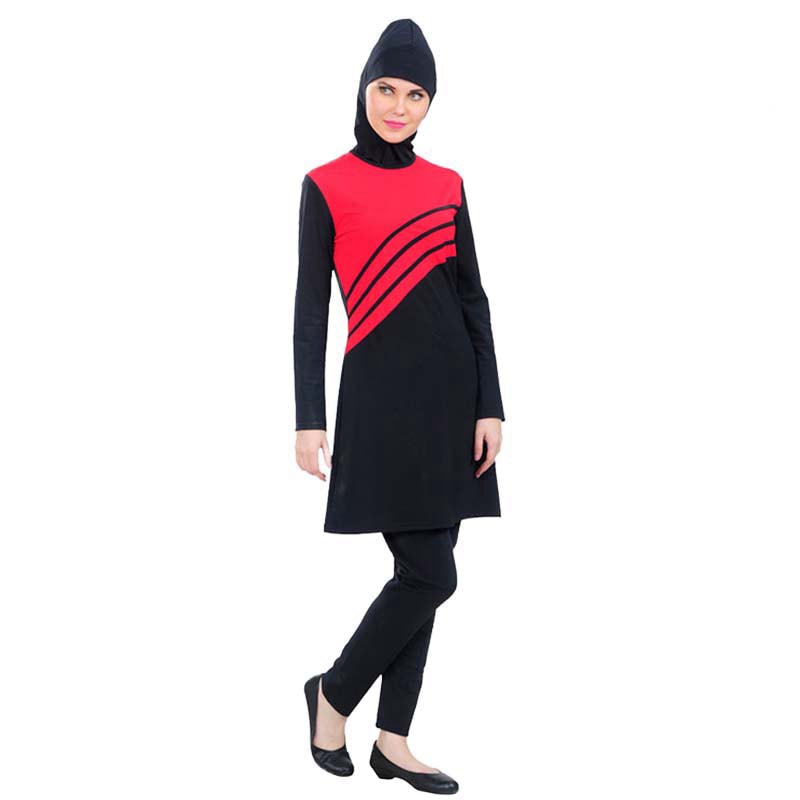
Stretch in swimwear is non-negotiable, but not all stretchy fabrics are created equal. Here¡¯s what I look for:
- Elastane Content: More elastane means better stretch. Aim for at least 15% elastane for swimwear.
- Recovery: The ability of the fabric to return to its original shape. LYCRA? fabrics excel in this category, maintaining up to 95% of their elasticity.
- Resilience: How well the fabric holds up against wear and tear. Look for chlorine-resistant options to ensure longevity.
Types of Swimwear Materials
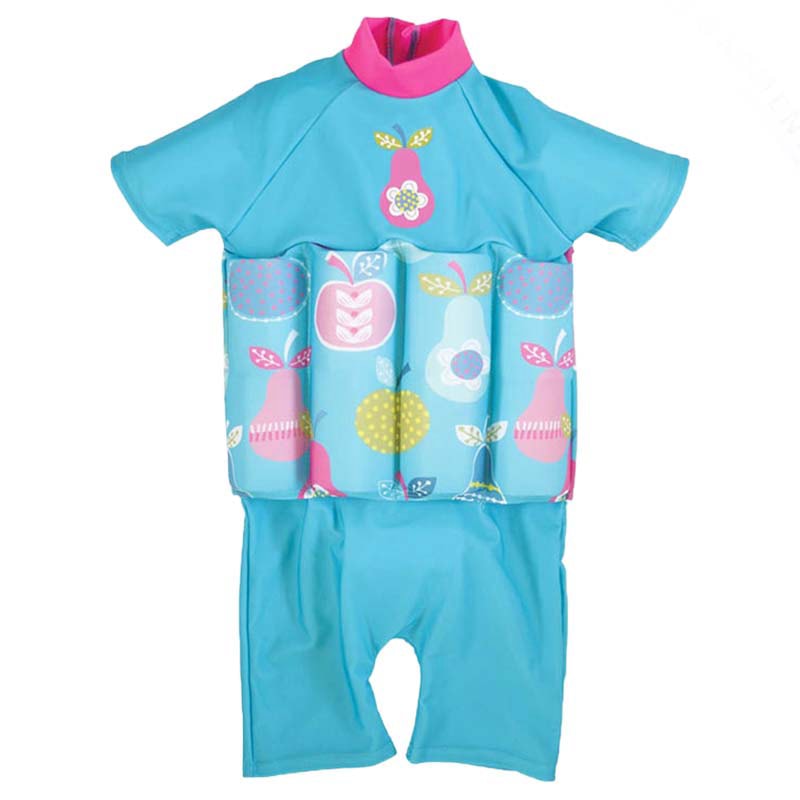
Natural vs. Synthetic Fibers
Both natural and synthetic fibers have their pros and cons. Natural fibers like cotton are breathable, but they aren’t as durable in water. Synthetic fibers like polyester and nylon offer better stretch, durability, and quick-drying properties.
Elastane vs. Spandex vs. LYCRA?, and Why It¡¯s Important
Elastan, Spandex, and LYCRA? are essentially the same material with different brand names. They provide the much-needed stretch in swimwear, making them crucial for a good fit and comfort. LYCRA? maintains its characteristics even after 500 hours of exposure to chlorine.
Swimwear Properties to Look Out For
- Chlorine Resistance: Will it fade or degrade in the pool? Fabrics like PBT are known for their high chlorine resistance.
- UV Protection: Does it shield you from harmful UV rays? Look for fabrics with UV protection ratings UPF 50+.
- Quick Drying: Nobody likes a soggy suit! Quick-drying fabrics like nylon-elastane blends are ideal.
- Colorfastness: Will it maintain its vibrant colors? Polyester and polyamide fabrics retain their colors well.
Nylon-elastane Blends
Nylon with a bit of elastane is a common choice for its balance between durability and comfort. This blend is perfect for everyday swimwear, offering both flexibility and quick-drying properties.
Polyester-elastane Blends
Polyester blends are known for their chlorine resistance and durability. These are ideal for competitive swimmers and water aerobics enthusiasts who need their swimsuits to last many seasons.
PBT (Microfiber Polyester)
PBT offers excellent chlorine resistance and quick-drying properties, making it a go-to for performance swimwear. It retains its shape and stretch even after prolonged exposure to chlorine and sun.
Stretch Mesh
Stretch Mesh is often used in paneling and provides breathability and extra stretch, perfect for sports swimwear. The mesh allows for excellent ventilation, ideal for high-intensity activities.
Tricot-blends
Tricot is soft and smooth, frequently used in high-end swimwear. Imagine lounging by the pool in a chic tricot-blend swimsuit that offers both elegance and comfort.
Rib-knit
Rib-knit fabric provides texture and a snug fit, great for fashion-forward swimwear styles. Think stylish, form-fitting swimsuits that make a statement on the beach.
Textured Jacquard Knit
Jacquard knits offer unique textures and patterns, excellent for making a stylish statement at beach parties. The intricate designs stand out, adding a touch of luxury to your swimwear collection.
Lurex?
Lurex? adds a metallic thread for a shimmering effect. Picture yourself glistening under the sun at a luxury resort, turning heads with your eye-catching swimsuit.
Woven Nylon / Polyamide
Used in more structured swimsuit styles, offering durability and a sleek look. These fabrics are perfect for sophisticated designs that require a crisp, clean appearance.
Woven Polyester
Similar to woven nylon but with better chlorine resistance. Ideal for performance swimwear that demands durability and longevity.
Ripstop
Ripstop fabrics are highly durable and resistant to tearing, great for active water sports like surfing or kayaking. They provide the strength needed for high-impact activities while remaining lightweight.
What¡¯s the Best Swimsuit Fabric?
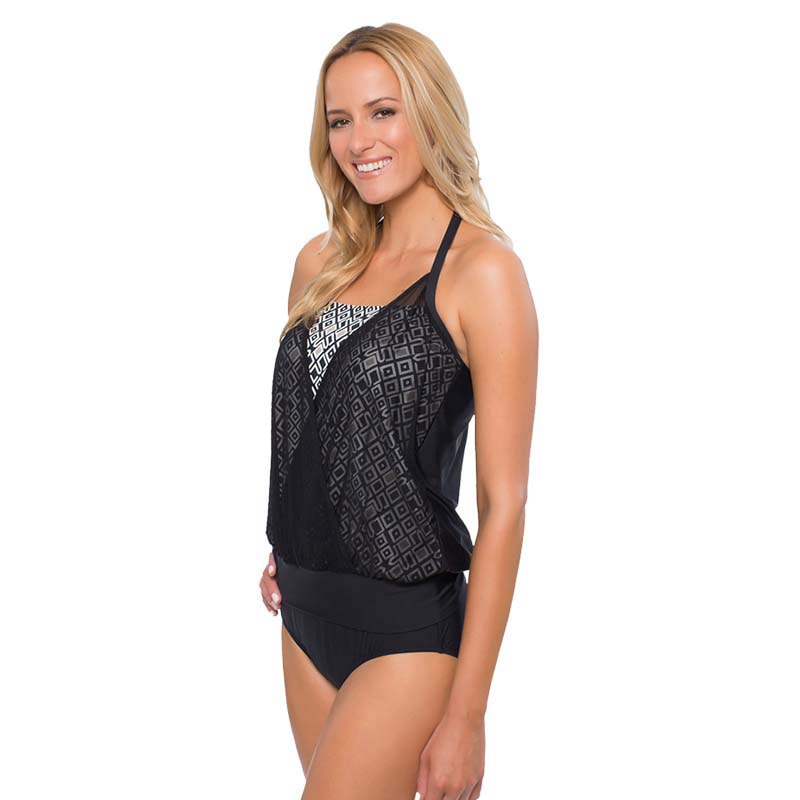
The best swimsuit fabric depends on your specific needs. For competitive swimming, polyester blends are top-notch due to their chlorine resistance and durability. For casual beach days, nylon-elastane offers comfort, stretch, and quick-drying properties.
All You Need to Know About Swimsuit Fabric
Differentiating between Swimsuit Fabrics
Each fabric has unique properties tailored to different activities. Understanding these differences helps in selecting the best material for your swimwear, ensuring optimal performance and comfort.
Nylon Swim Fabric
Nylon is soft, quick-drying, and slightly stretchy, making it a versatile choice for various swimwear styles. It’s often blended with elastane for added flexibility.
Polyester Swimsuits (or Polyester Blends)
Polyester is highly durable and resistant to chlorine; ideal for both everyday and competitive swimwear. It maintains its shape and color, even with frequent use.
PBT
PBT is a type of polyester that is especially resistant to chlorine and quick-drying. Perfect for frequent swimmers who need a reliable and long-lasting material.
Natural Swimsuit Materials
Natural fibers like cotton can be used but aren’t as durable in water. These materials are ideal for fashion-focused swimwear where durability isn’t the primary concern.
Sustainability Concerns
Many swimwear brands are now focused on sustainability, offering recycled fabrics and eco-friendly options. For eksempel, ECONYL? is a regenerated nylon made from fishing nets and other nylon waste. It¡¯s a great way to stay stylish while helping the planet.
FAQ
What type of fabric is used for swimwear? The most common fabrics are nylon, polyester, elastane, and their blends.
What is the stretchy swimsuit material called? The stretchy material is commonly known as Spandex, Elastan, or LYCRA?.
Is nylon or polyester better for swimming? Polyester is more chlorine resistant, making it better for frequent swimming.
What is swimsuit lining material? Swimsuit linings are usually made from synthetic fibers like polyester or nylon for added comfort and support.