As a swimwear enthusiast and expert, I¡¯ve always been fascinated by the materials that make our swimsuits so functional and stylish. Understanding what makes good swimsuit fabric can dramatically improve your swimwear experience. Let¡¯s dive in and explore the world of swimsuit fabrics together, looking closely at the various types and features of these fascinating materials.
Swimwear Fabric
Swimwear fabric is the foundation of any swimsuit, combining fashion and functionality. It needs to be durable, stretchy, and resistant to chlorine and saltwater. Laisser’s break down these qualities and understand what makes a fabric ideal for swimwear.
What¡¯s the Best Swimsuit Fabric?
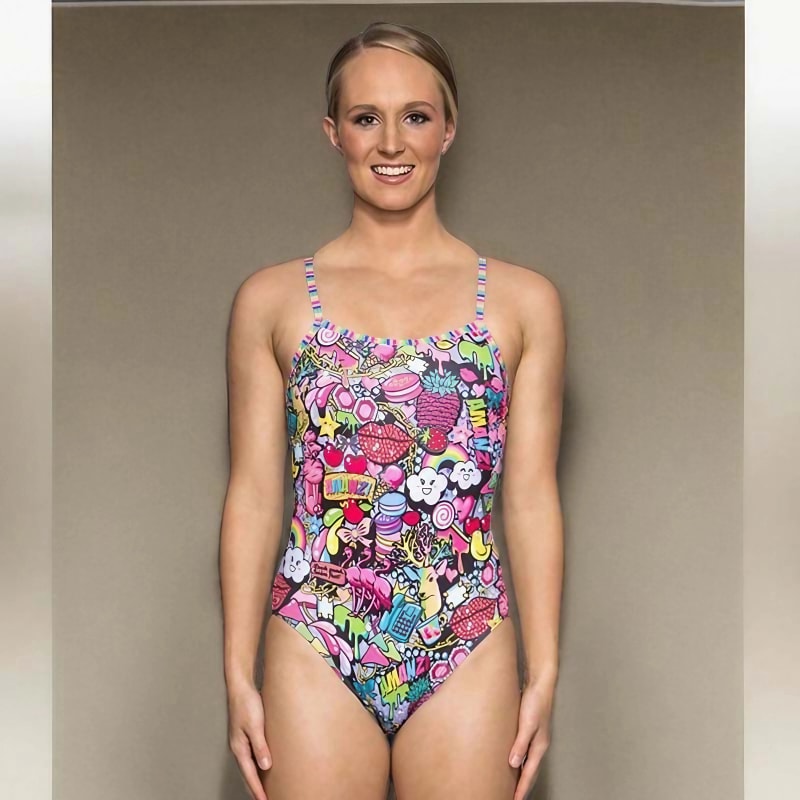
One of the most frequently asked questions is, ¡°What¡¯s the best swimsuit fabric?¡± While the answer can depend on personal needs, industry statistics show that blends comprising 80% nylon et 20% spandex are most popular in the market due to their balance of comfort and resilience. Factors such as the type of activity, the frequency of use, and exposure to chlorine will play a role in determining the best fabric for you. For instance, competitive swimmers often prefer polyester blends for their durability and resistance.
All You Need to Know About Swimsuit Fabric
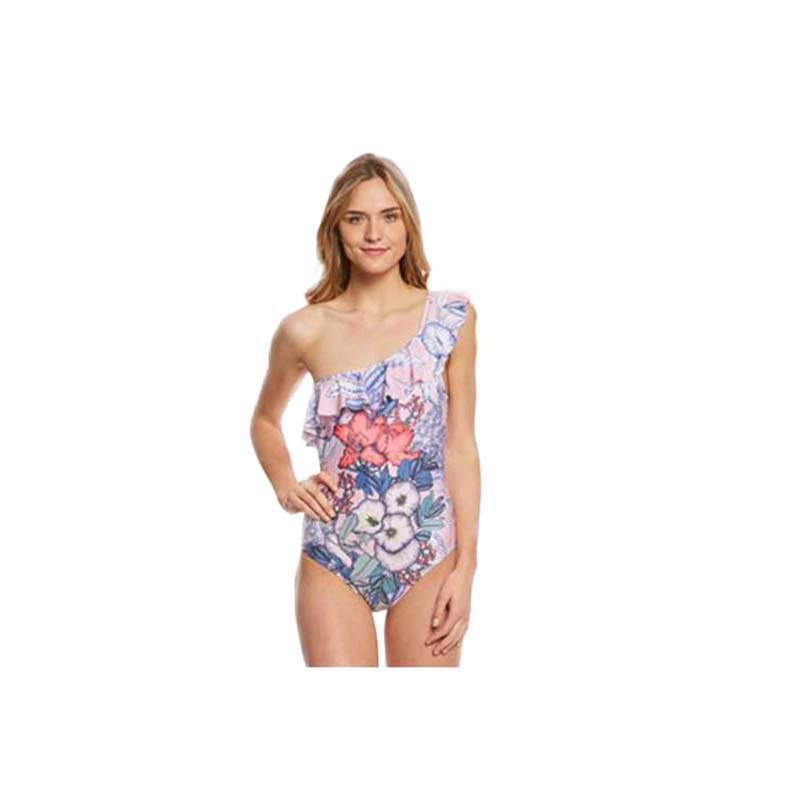
Understanding swimsuit fabric involves knowing the characteristics that make each type unique. Laisser’s break down each element, such as fiber content, stretch, and specific blends, to see how they affect performance and comfort.
Different Types of Swimsuit Fabrics
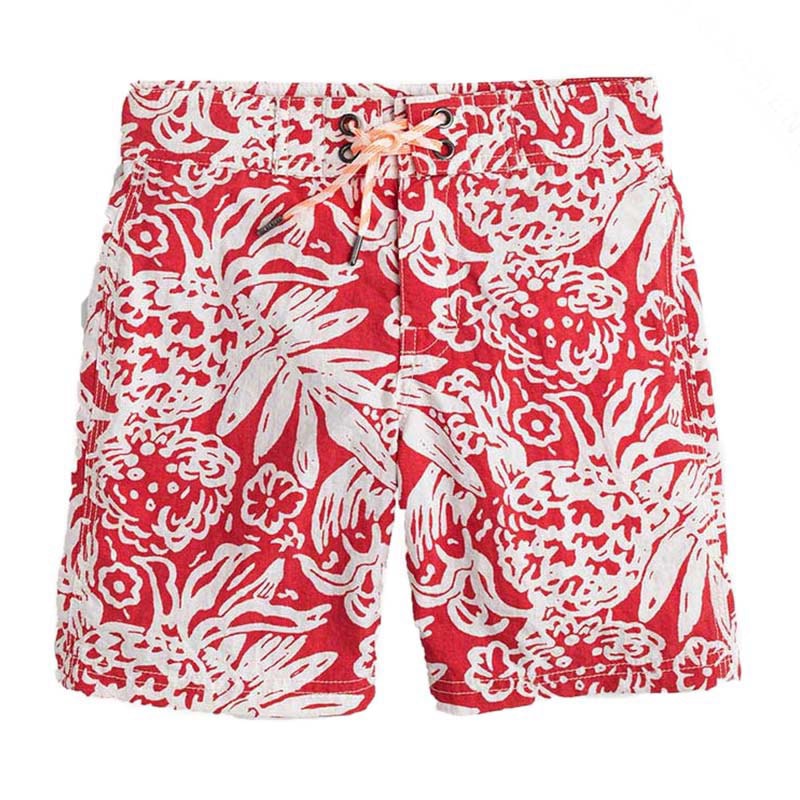
Natural Fabrics
While natural fabrics like cotton and wool are soft and breathable, they typically lack in chlorine resistance and durability. They absorb water, making them heavy and uncomfortable for swimming activities. These options might be more suitable for sunbathing or casual beach outings.
Polyester Swimsuit Fabric Blends
Polyester blends, often combined with spandex or Lycra, are known for their excellent chlorine resistance¡ªup to 10 times more resistant than nylon blends. These fabrics are incredibly durable and mostly retain their shape, making them ideal for frequent swimmers and athletic use. According to industry studies, about 35% of high-performance swimwear is made from polyester blends.
Nylon Swimwear Fabric Blends
Nylon blends offer exceptional stretch and comfort, making them favorites for everyday and beachwear swimsuits. These fabrics dry quickly and cling to the body, providing an attractive fit. However, continuous exposure to chlorine can degrade nylon over time, making it less durable for competitive swimming. Market data indicates that 50% of fashion swimwear leverages nylon blends.
Fiber Content
The fiber content in swimwear fabric significantly impacts its performance. Par exemple, blends typically include varying percentages of spandex/elastane to provide the stretch and resilience required. For high-quality swimsuits, look for blends with at least 15-20% spandex for optimal flexibility and fit.
Stretch
4-way stretch fabrics are ideally suited for swimwear, offering flexibility in all directions. This enhances comfort and freedom of movement, que tu’re performing competitive strokes or casually enjoying the pool or beach. Most premium swimwear fabrics include a stretch factor up to 200%, ensuring they move seamlessly with your body.
Power Mesh
Power mesh is often used in swimwear linings to provide support and control. This fabric is lightweight and breathable, offering compressive properties that make swimsuits feel snug and secure. Power mesh is prevalent in shapewear swimwear, creating smoother silhouettes while allowing ease of movement.
Lightweight Swimwear Fabric
For those who prioritize comfort, lightweight swimsuit fabrics are a blessing. These fabrics are easy to wear, dry quickly, and are perfect for travel or beach vacations. Some examples include nylon-spandex blends, which are favored for their ability to pack light and endure various water activities.
That Stuff That¡¯s in RTW: 100% Nylon
Ready-to-wear (RTW) swimwear often uses 100% nylon for its rapid-drying properties and stretch. While it offers comfort and fit, 100% nylon fabrics might not provide the same durability as blended fabrics, especially under frequent chlorinated water exposure.
So¡ What¡¯s the best fabric for swimwear?
The best fabric for your swimwear depends on your specific needs and activities. For rigorous, competitive swimming, polyester blends are ideal due to their durability and chlorine resistance, approximately lasting 6 months of daily usage. For relaxed or casual swimming, a nylon blend provides superior comfort and quick-drying properties, striking a balance between performance and leisure.
How to Shop for Swimwear Fabric
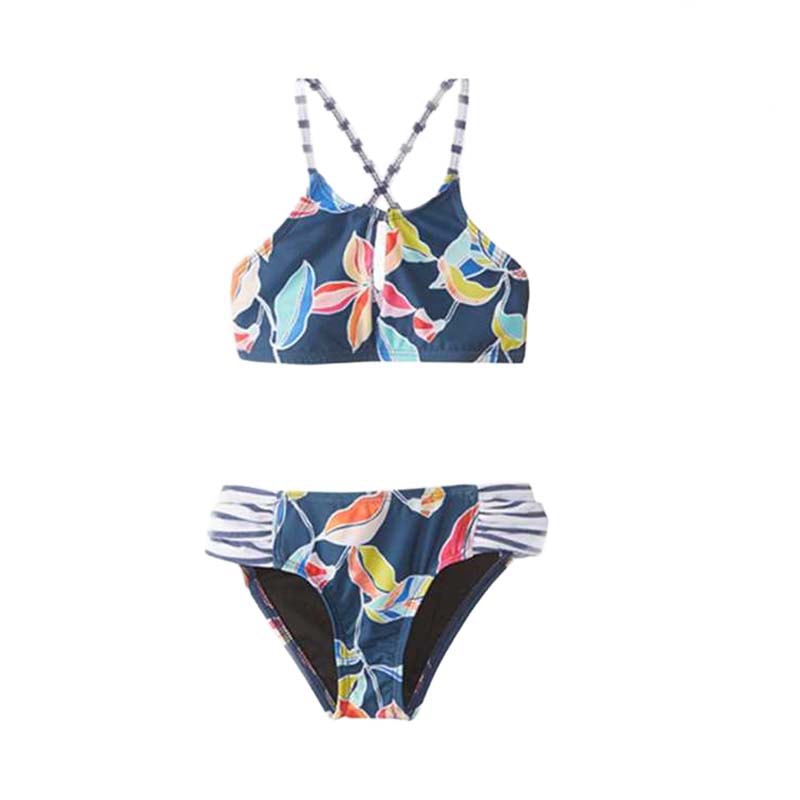
When shopping for swimwear fabric, consider the following:
- Purpose: Athletic vs. leisure swimming¡ªathletic needs more durable fabrics like polyester blends
- Durability: Look for chlorine resistance features¡ªfabrics that withstand 100+ hours in chlorinated water
- Confort: Prioritize stretch and breathability, especially if planning long hours in swimwear
- Maintenance: Choose easy-to-clean fabrics that don¡¯t need special care. Polyester blends often fare well with standard machine washes.
What Makes Good Swimwear Fabric
A good swimwear fabric is characterized by its durability, stretch, confort, and resistance to chlorine and UV rays. Look for materials offering over 50% longevity in UV exposure and at least 100% stretch for flexibility. It should retain its shape and color even after numerous uses and washes.
Wait, I need swimwear lining, too?
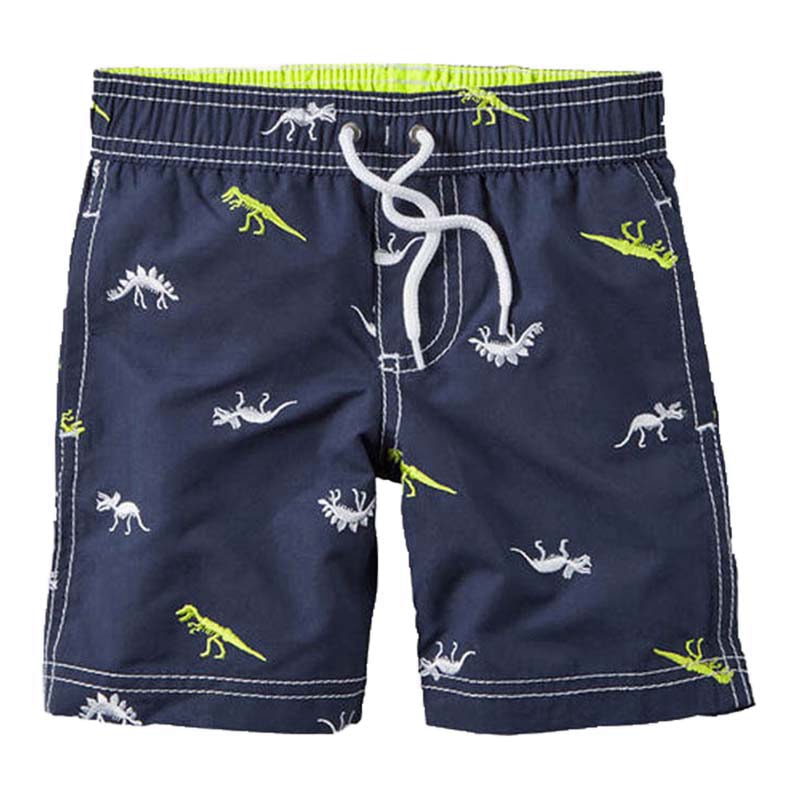
Absolutely, lining is crucial for swimwear as it provides extra support, coverage, et confort. Typically, polyester or nylon linings help maintain the suit’s shape and add an extra layer of modesty, ensuring a flawless fit.
The Fun Part: Color!
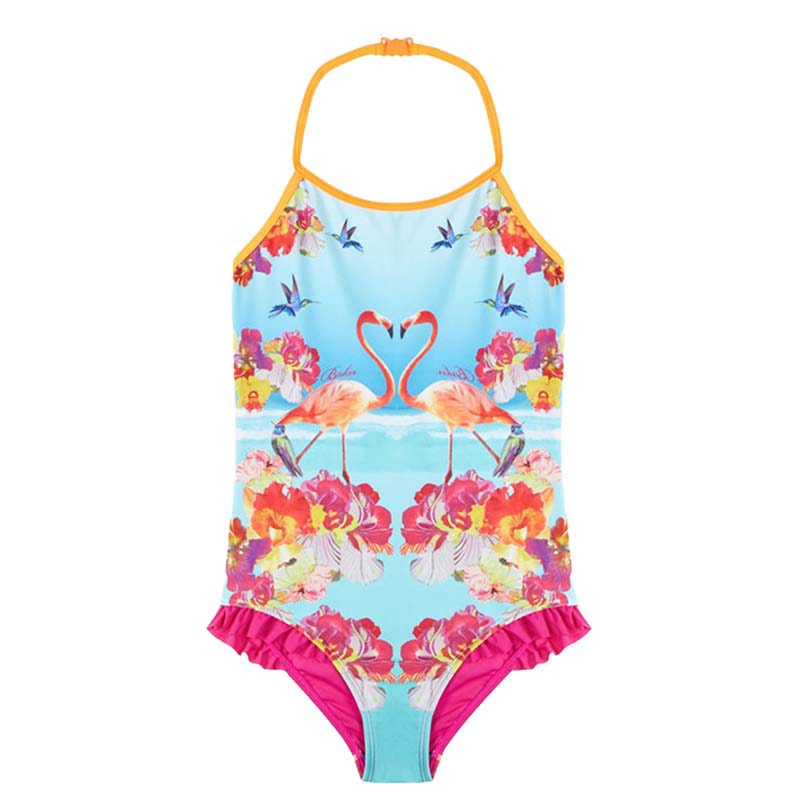
Color choice in swimwear can elevate your look and swim experience. Bright, vibrant colors make you stand out in a crowd, perfect for beach parties or resort pools. Darker shades, like black or navy, offer a classic, slimming effect that’s ideal for a more conservative or athletic look. Consider mixing playful patterns for a fun, eye-catching ensemble.
FAQ
<p><img alt= »FAQ » src= »https://likesdress.com/wp-content/uploads/images/14.jpg »/></p>
What kind of fabric is used in swimwear?
Swimwear typically uses blends of polyester, nylon, and spandex for their durability, stretch, and quick-drying properties. These materials offer the best balance for both performance and leisure use.
Which of these fabrics would be the best for a swimsuit?
<p><img alt= »Which of these fabrics would be the best for a swimsuit? » src= »https://likesdress.com/wp-content/uploads/images/544.jpg »/></p>
For durability and chlorine resistance, polyester blends are ideal. For comfort and stretch, nylon blends are a great choice. Your specific needs will determine the best blend for you.
Is swimsuit material expensive?
Swimsuit material can vary in cost, with high-quality fabrics like Lycra or blends of polyester and spandex generally being more expensive. Emphasize quality to ensure longevity and comfort.
Is polyester or nylon better for swim?
<p><img alt= »Is polyester or nylon better for swim? » src= »https://likesdress.com/wp-content/uploads/images/589.jpg »/></p>
Polyester is more durable and chlorine-resistant, making it better for frequent swimmers. Nylon offers more comfort and stretch, ideal for casual use and quick-drying convenience.