Have you ever wondered what materials make up your favorite swimsuit? 수영복에 대해 깊이 열정적 인 사람으로, I¡¯ve always been intrigued by the construction and fabric choices behind these essential summer garments. With a unique blend of comfort, 스타일, and functionality, swimsuits are crafted from an array of materials tailored to enhance performance and appearance. Let’s dive in and explore the different types of swimwear materials and why they are chosen.
What Are Swimsuits Made Of?
Swimsuits are primarily made from synthetic fabrics designed to withstand the rigors of aquatic activities. The most common materials are nylon, 폴리에스테르, 엘라스테인 (스판덱스), and innovative, sustainable fabrics like ECONYL?.
Types of Swimwear Materials

Nylon Swim Fabric
나일론, also known as polyamide, is a synthetic fabric utilized in approximately 50% of swimwear. Its smooth texture and high elasticity make it a popular choice. Nylon¡¯s resilience against abrasions and excellent color retention ensure lasting performance in both pool and beach environments.
Polyester
Polyester accounts for nearly 30% of all swimwear materials. It is praised for its high resistance to chlorine and UV rays, retaining its shape and color even after prolonged exposure. This makes polyester the go-to material for competitive swimmers and frequent pool users.
Elastane
Elastane, commonly known as spandex or Lycra, provides swimwear with exceptional stretch and flexibility. Blended with nylon or polyester, elastane typically makes up about 10-20% of a swimsuit’s fabric composition, ensuring a snug fit that complements the body’s movements.
PBT
PBT (Polybutylene Terephthalate) is a type of polyester used in swimwear for its quick-drying properties and strong chlorine resistance. PBT is often found in competitive swimwear due to its durability and ability to maintain shape and color under strenuous conditions.
ECONYL?
ECONYL? is a revolutionary fabric made from recycled nylon products, such as fishing nets and fabric scraps. Companies embracing sustainability are increasingly opting for ECONYL? because it matches the durability and flexibility of traditional nylon and reduces environmental impact.
Natural Fabrics
Natural fabrics like cotton and hemp are less common in modern swimwear due to their limited elasticity and quicker degradation in water. However, they are sometimes used in eco-friendly designs that prioritize breathability and comfort, suitable for casual beach outings rather than rigorous swimming.
Characteristics of Swimwear Fabrics
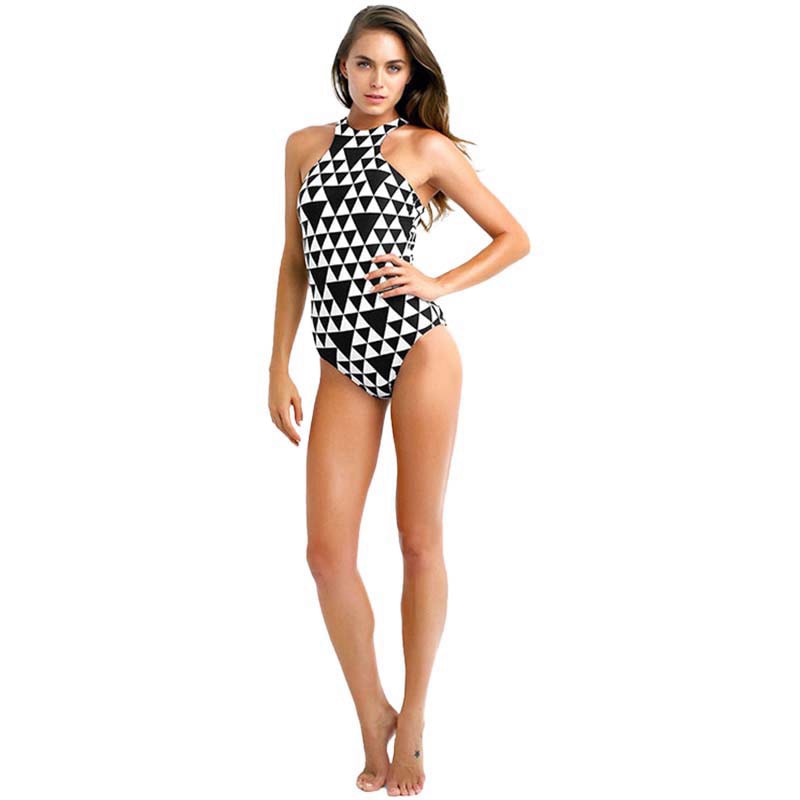
Characteristics of Elastane
- Stretch: Elastane offers up to 600% elongation, providing extreme flexibility.
- 지원하다: Ensures a tight, secure fit that moves with the body.
- Blend: Typically mixed at 10-20% with other fibers for optimal performance.
Characteristics of Nylon
- Durability: Known for its resistance to abrasions, making it long-lasting.
- Feel: Provides a smooth, comfortable texture against the skin.
- Color Retention: Excellent at retaining color, even after repeated washings.
Characteristics of Polyester
- Chlorine Resistance: Maintains integrity and color when exposed to chlorinated water.
- UV Protection: Shields skin from harmful UV rays, crucial for outdoor swimming.
- Shape Retention: Holds its shape well, preventing sagging over time.
Different Types of Swimsuit Fabrics
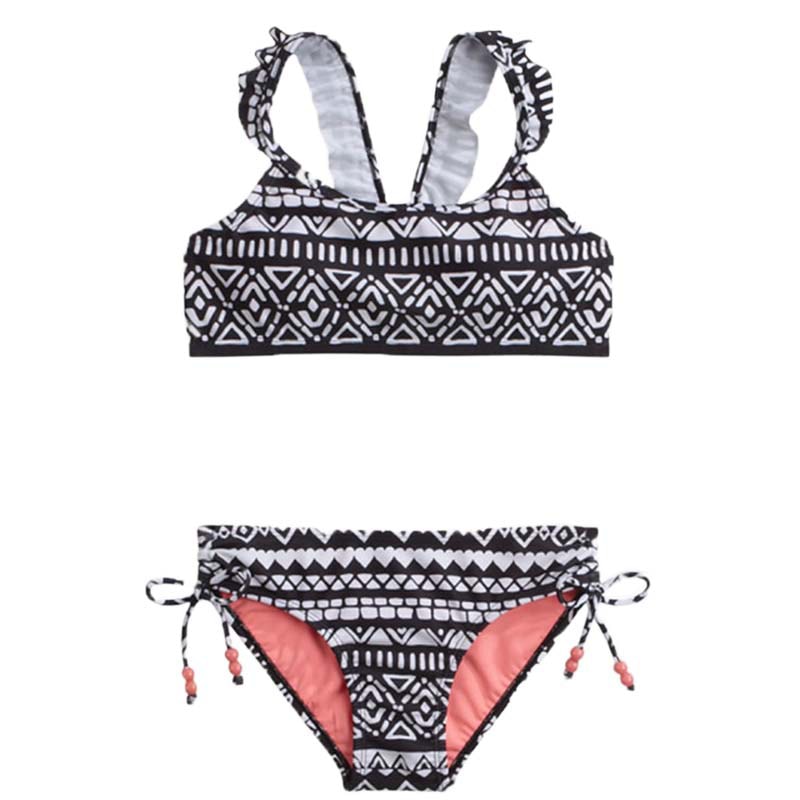
From sleek polyester blends for competitive swimmers to the sustainability-focused ECONYL?, swimsuit fabrics vary widely to meet different needs. Choosing the right fabric involves considering factors like durability, flexibility, and environmental impact.
What¡¯s the Best Swimsuit Fabric?
The best swimsuit fabric depends on your specific needs. For competitive swimming, polyester is ideal due to its chlorine resistance. If sustainability is a priority, ECONYL? is a fantastic option. Generally, a blend that includes elastane provides the best mix of comfort and performance.
Sustainability Concerns
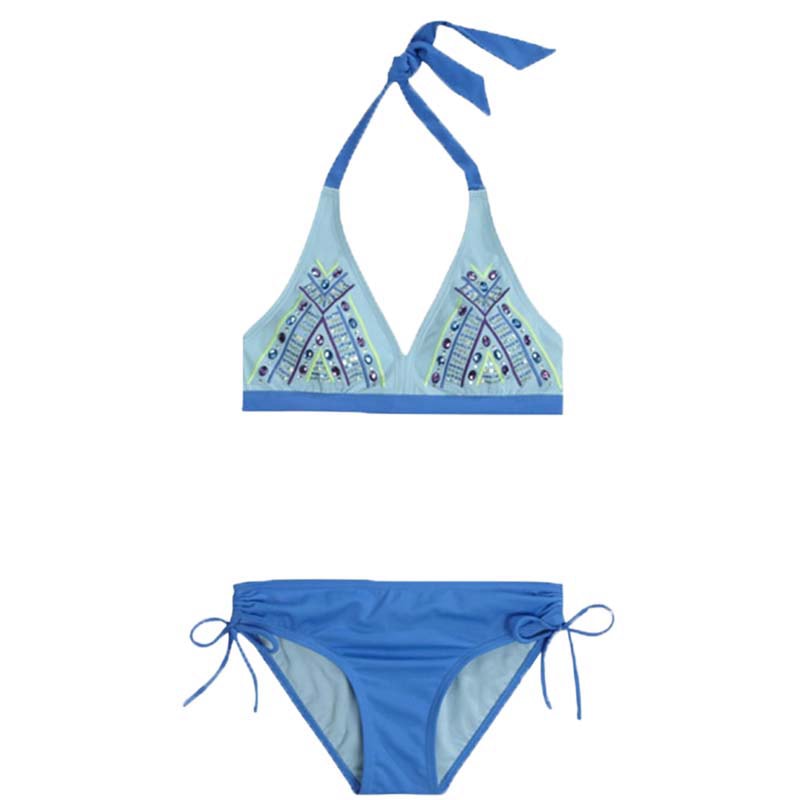
More brands are prioritizing sustainability, opting for materials like ECONYL? and recycled polyester, which reduce environmental impact by repurposing waste products. Supporting these brands helps promote eco-friendly practices in the swimwear industry.
What to Look for in a Swimming Suit in 2023
1. Look and Feel
A swimsuit should look great and feel comfortable. Consider materials like nylon for a soft, smooth feel or elastane blends for added stretch and support.
2. Style Options
From one-piece suits to bikinis, the choice depends on personal style and activity. Reflecting on where you’ll be wearing it most can guide your decision.
3. Size Range
Ensure the brand offers a wide size range. The right fit boosts confidence and ensures comfort, whether you¡¯re swimming laps or lounging by the pool.
4. Color Options & Colorfast
Choose colors that complement your skin tone and ensure the fabric is colorfast to prevent fading after multiple uses and washes.
5. Period / Leakproof Swimwear
Look for swimwear designed to be leakproof during periods, offering peace of mind and comfort so you can enjoy swimming without worry.
6. UV Protection (UPF)
Swimwear with a UPF rating protects your skin from UV rays, making it essential for long days at the beach or outdoor pool activities.
7. Quick-Drying
Quick-drying fabrics are vital for comfort, especially if you transition from swimming to other activities. They help prevent chafing and stay lightweight.
8. Stretch/Elasticity
Good stretch ensures a snug fit without restricting movement. Elastane blends provide superior elasticity for an active day in the water.
9. Easy to Care for
Select swimsuits that are easy to wash and maintain. Durable materials that withstand regular washing help retain their look and fit longer.
10. Sustainability / Longevity
Prioritize eco-friendly options without compromising on durability. Fabrics like ECONYL? offer longevity while supporting sustainable practices.
FAQ
What material are swimsuits made of?

Swimsuits are commonly made from synthetic materials like nylon, 폴리에스테르, 엘라스테인, and PBT, known for their durability, elasticity, and resistance to chlorine and UV rays.
Is polyester or nylon better for swimming?
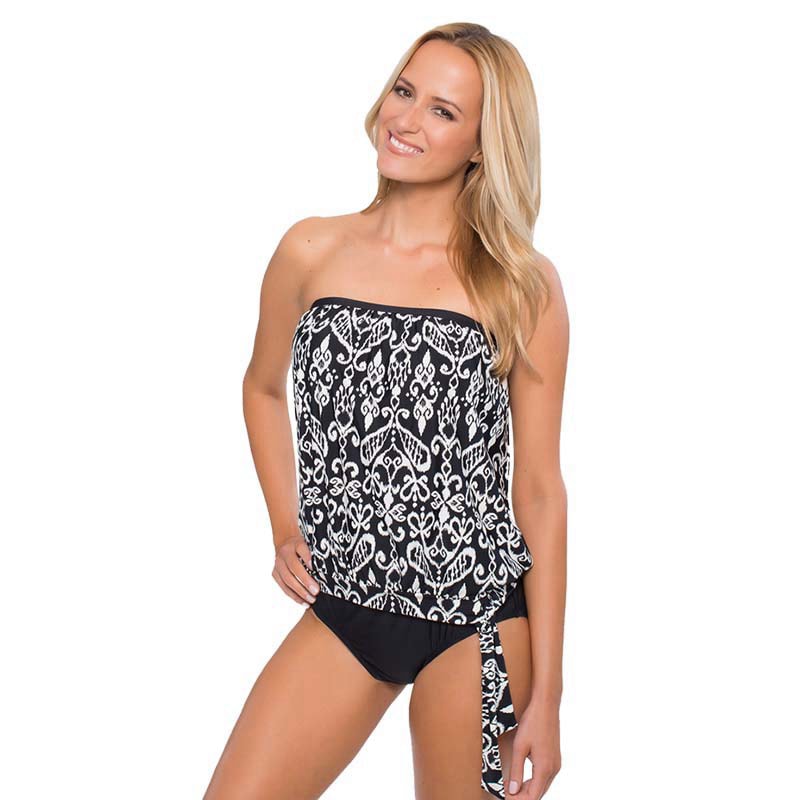
Polyester is better for competitive swimming due to its chlorine resistance and durability, while nylon is favored for its smooth texture and elasticity, perfect for leisure swimming.
What is swimsuit lining made of?
Swimsuit linings are typically made from soft, breathable fabrics like polyester or a blend with elastane to ensure comfort and support.
What are swimsuit bottoms made of?
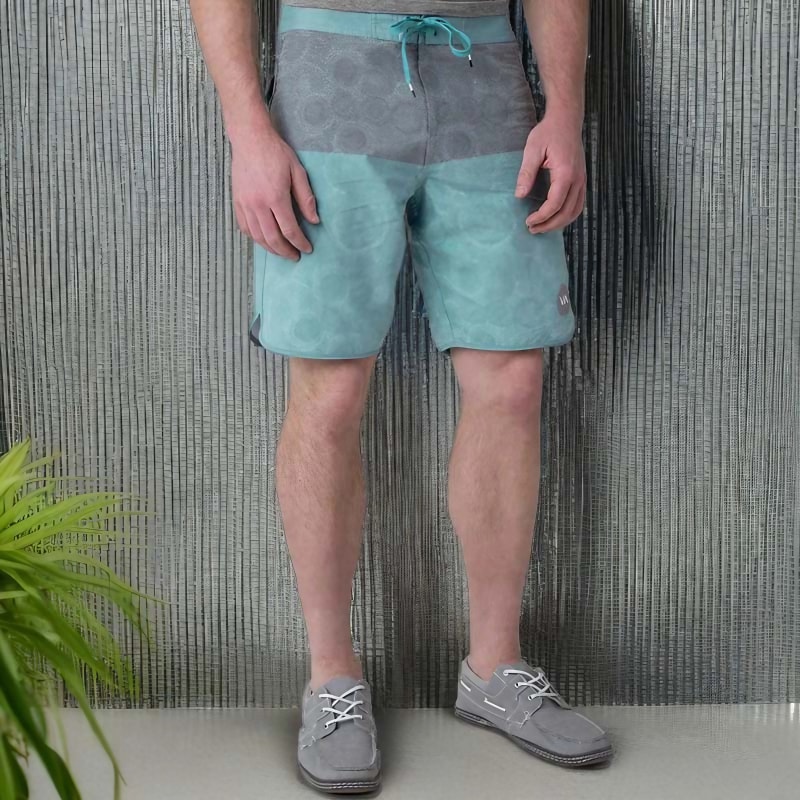
Swimsuit bottoms are often constructed from the same materials as the entire swimsuit, predominantly nylon, 폴리에스테르, and elastane blends for flexibility and durability.